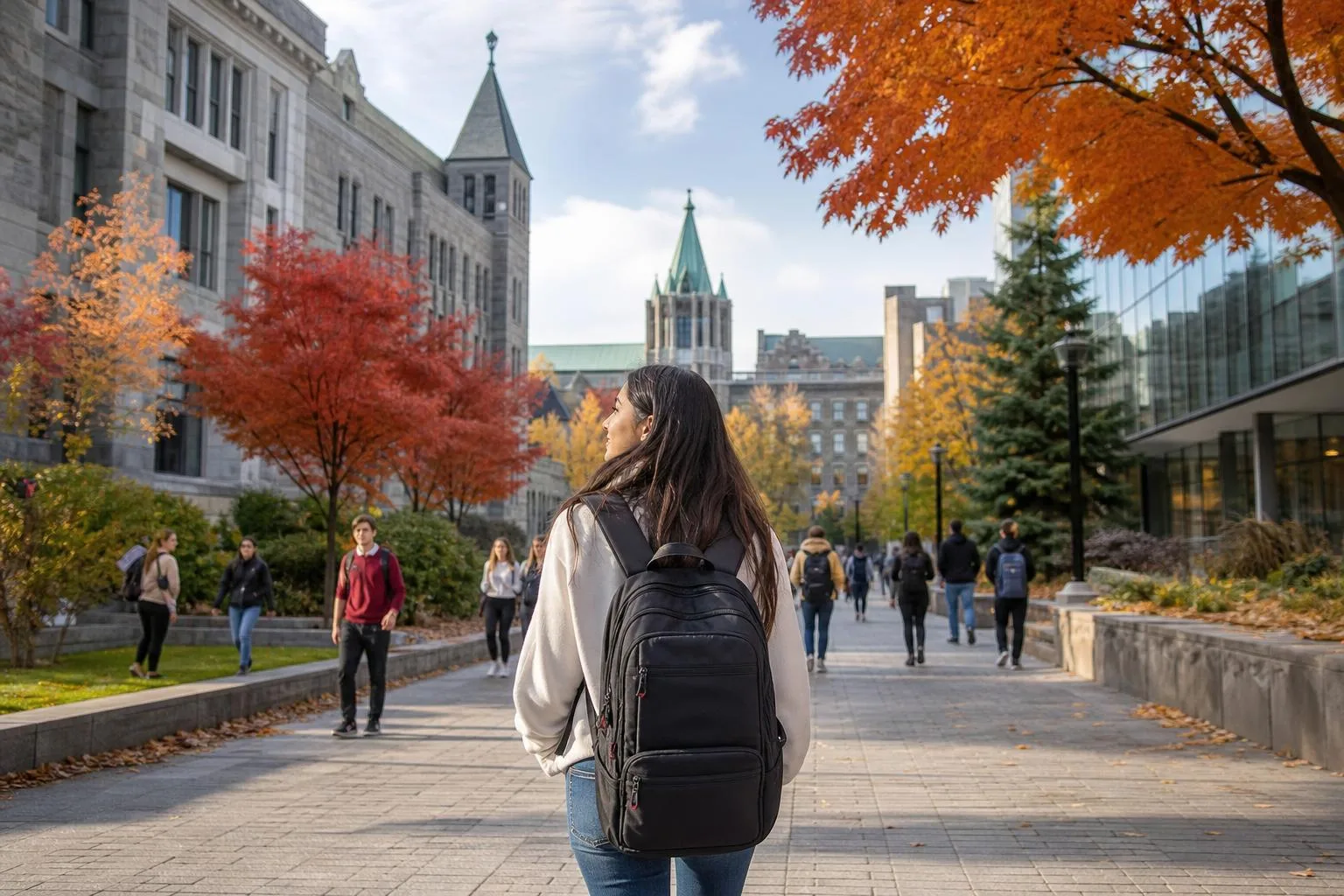
Choosing to study in Canada can open access to respected universities, colleges and career-focused programs in a multicultural environment. However, a successful application requires more than selecting a school. You need to compare programs carefully, prepare strong documents, understand study permit requirements and create a realistic financial plan.
This guide explains the main steps for international students planning to study in Canada, along with practical points to check before submitting an application.
Choose the right Canadian school and program
Start with your academic and career goals. Canadian institutions generally fall into several groups, including universities, public colleges, private colleges and language schools. Universities typically offer undergraduate and graduate degrees, while colleges often focus on applied training, diplomas and certificates.
When comparing options, look beyond rankings. Review the program curriculum, admission requirements, location, teaching format, internship opportunities and graduate outcomes. Also confirm that the institution is a Designated Learning Institution (DLI). International students normally need a letter of acceptance from a DLI to apply for a study permit.
If you hope to work in Canada after graduation, research post-graduation work eligibility before choosing a course. Eligibility can depend on the school, program type, study length and rules in effect when you apply. Do not assume that every private college or short program qualifies.
Understand admission requirements
Requirements vary by institution and level of study. A university may ask for academic transcripts, a statement of purpose, recommendation letters, a résumé or portfolio. Colleges may place more emphasis on specific school subjects, technical preparation or work experience.
Most programs taught in English require proof of language ability through an accepted test. French-language programs may have separate requirements. Check the institution’s own admissions page for accepted tests, minimum scores and exemptions rather than relying on general advice.
Apply before the stated deadline and allow time for document verification. Some programs fill quickly, particularly in fields with limited seats. A complete application should clearly explain your academic background and why the chosen program fits your plans. Hello world!
Plan the full cost of studying in Canada
Tuition is only one part of the budget. Your estimated expenses may include: How to Choose the Right Business University for Your Career Goals Source: Monarchy of Canada
- Tuition and mandatory institutional fees
- Housing, utilities and food
- Health insurance
- Books, technology and transportation
- Application, biometrics and permit-related fees
- Travel and an emergency reserve
Costs differ significantly by province, city, institution and program. Toronto, Vancouver and other large cities can have higher housing costs than smaller communities. Ask the school for a current fee schedule and research local rent before accepting an offer.
Students should be able to demonstrate access to enough money for tuition and living expenses without depending entirely on future employment in Canada. Scholarships may be available through institutions, governments or external organizations, but eligibility and deadlines vary.
Apply for a Canadian study permit
After receiving an eligible letter of acceptance, review the current study permit process through Immigration, Refugees and Citizenship Canada (IRCC). Depending on your situation, you may need a provincial or territorial attestation letter, commonly called a PAL or TAL. Students bound for Quebec may also need a Quebec Acceptance Certificate.
Typical application materials can include:
- A valid passport
- Letter of acceptance
- Proof of funds
- Academic documents
- A letter explaining your study plans
- Biometrics and medical or police documents, if requested
Your explanation should connect your previous education, chosen program and future plans. Provide complete, consistent information and explain any significant study or employment gaps. Processing times and document requirements can change, so use the official IRCC instructions for your country of residence.
Know the rules after arrival
A study permit is not the same as a passport visa. Depending on your nationality, you may also need a temporary resident visa or an electronic travel authorization to travel to Canada. Read the conditions on your permit and keep your passport and immigration documents current.
Eligible international students may be allowed to work under Canada’s current study permit rules, but employment should not replace your financial plan. Work limits, eligibility and post-graduation options can change. Check the latest official requirements before relying on work income or making long-term immigration decisions.
Build a realistic study plan
Successful students prepare for more than classes. Arrange housing early, understand public transportation, obtain appropriate health coverage and keep copies of important documents. Contact your institution’s international student office for orientation, academic support and settlement services.
The best way to study in Canada is to make decisions based on verified information, total costs and a clear academic purpose. Compare several programs, confirm current immigration rules and submit an application that accurately reflects your goals.
3 thoughts on “Study in Canada: A Practical Guide to Choosing a School, Getting a Permit and Planning Your Budget”